
Marathon Week: What to Do (and Not Do) Before the Start Line
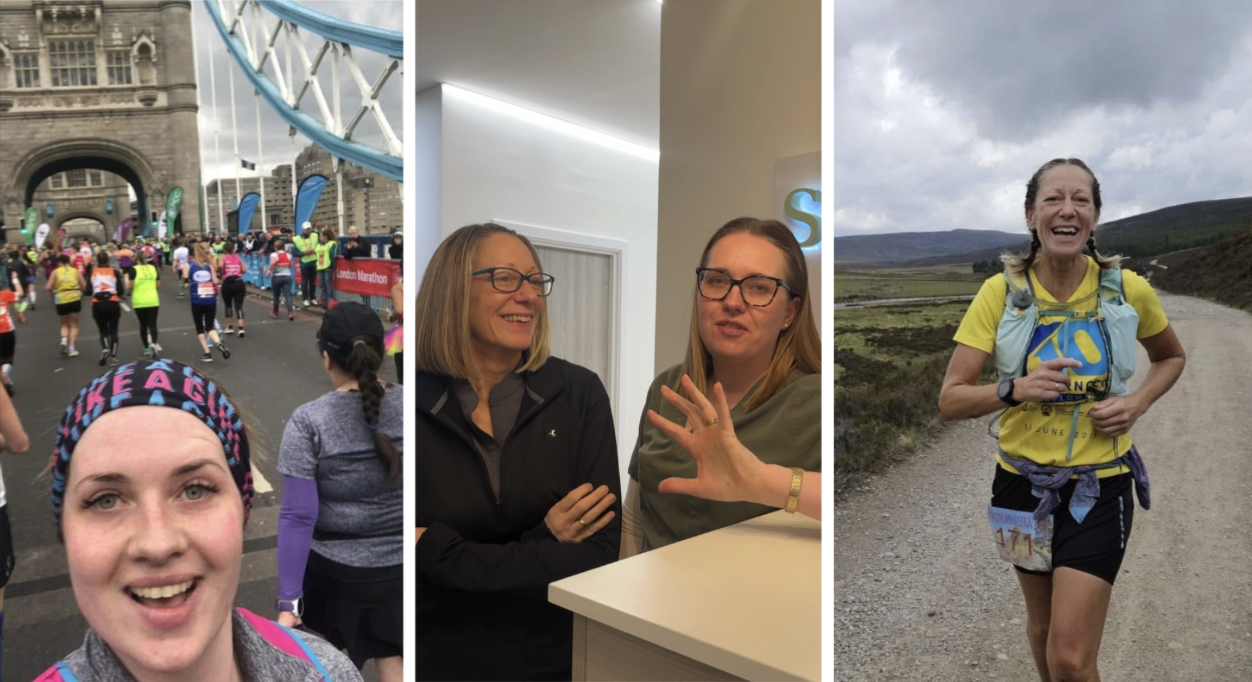
Amy Bisset & Kim Todd | London Marathon finisher & Ultra Marathon Runner
It's London Marathon week - one of the most electric moments in the running calendar.
This LinkedIn article is based on a recent Facebook Live stream with two people who know what they're talking about - both professionally and personally.
Kim Todd is a sports massage therapist and an ultra marathon runner currently in training joined by, Amy Bisset is a podiatrist who has crossed the finish line at the London Marathon herself.
These aren't armchair opinions. This is real advice from people who have stood on start lines, felt the nerves and spent their careers working with runners at every level.
The advice that gets London runners to the finish line in good shape is the same advice that applies to any marathon, any race, any start line.
Here's what Kim and Amy had to say.
1. The Pre-Marathon Anxiety Is Normal
Almost every runner heading into marathon week feels some version of the same thing: "Have I done enough? Am I fit enough? Should I have trained harder?"
The answer, almost always, is: you have done enough.
"Feeling sick, anxious, questioning everything - it's all part of it. You might feel like you haven't done enough, even when you have."
That nagging doubt doesn't mean you're unprepared. But acting on that anxiety by squeezing in extra training is one of the worst things you can do during taper week. You cannot build fitness in the final days before a marathon. What you can do is arrive at the start line rested, topped up and ready.
2. Don't Change A Single Thing
This is the single most important piece of marathon race week advice Amy and Kim could give: "do not try anything new."
Not new shoes. Not a new nutrition strategy. Not a new pre-race breakfast. Not new kit.
"You've worked so hard to figure out what works for you - your routine, your kit, your strategy - so stick with it. No last-minute changes, no trying anything new."
You've spent weeks, possibly months, figuring out what works for your body. Your fuelling plan, your hydration routine, your socks, your anti-chafe product of choice. Stick with all of it. Race week is not the time for experimentation.
This applies to foot care too. If you normally use talc, Vaseline or a specific blister prevention routine, keep doing exactly that. The only thing worse than a blister at mile 18 is a blister caused by something you switched to the day before.
3. Pre-Marathon Nutrition and Hydration
"Hydration in the days before is really important, especially with races like London where the weather can be unpredictable and often warm. You don't want to be going into race day already dehydrated."
Sip consistently throughout the day in the lead-up to the race. You shouldn't be chugging water on the morning of the marathon to compensate.
If your stomach tends to go on race morning, that's extremely common. Stick to foods you know sit well with you and keep your pre-race meal simple and tested.
4. The Day Before
A big tip from ultra marathon runner, Kim:
"The day before the marathon, a gentle 1-2 mile shakeout run can do wonders. Keep it slow. Keep it short. It's not about the miles; it's about loosening up the legs, settling the nerves. Then rest. Genuinely rest. Lay out your kit, prepare your race-day bag and get to bed at a sensible time."
5. Race Day Tips: What to Think About When It Gets Hard
Even the best-prepared runners can hit a difficult patch during a marathon.
Break it down.
This is exactly what Amy did.
"If things get tough, just break it down. Think, 'just a couple more minutes.' Run or walk, whatever you need - just keep moving. Those tough patches do pass."
More on what Amy did to get through the hard parts:
"Use distractions. At big city marathons like London, I'm quite competitive so I got caught up in a quiet head-to-head with another runner! He was in front then I caught up and we ended leapfrogging back and forth. Silly as it sounds, it works. It takes your mind off the distance and keeps you moving."
One of Amy's biggest tips:
"If you don't have your name on your shirt, get it on there. Even if you have to Sharpie it on! At first it feels a bit strange hearing people shout your name but as the race goes on, you really need that boost."
Your friends and family can only be in one place, so that crowd support really matters. By mile 22, hearing a stranger shout your name might be what carries you.
6. Foot Care Before and After a Marathon
Your feet take an enormous amount of impact over 26.2 miles and they deserve some dedicated attention.
Before: Stick to your usual routine. If you see a podiatrist regularly, a pre-race check-in is a good idea - especially if you have any niggles, blisters or nail concerns you've been managing during training.
After: One of the most underrated post-marathon tips is: get out of your running shoes as soon as possible after crossing the finish line.
"Pack something comfy. Something like slides or soft shoes and even a fresh pair of socks. It makes a huge difference."
7. Post-Marathon Recovery
In the days after your marathon, keep movement gentle. Light walking, easy movement. Enough to keep circulation going and prevent everything from seizing up.
Kim's big tip that changes the game for her recovery:
"If you can, get one at the event. But if that's not possible: massage within the first week post-marathon massage can significantly help with muscle recovery and soreness. Book it in advance, since post-race massage slots fill up quickly around big events."
And finally from Amy and Kim:
"Enjoy it."
"It's easy to get so caught up in your time goal, your pace, your splits, that you forget to actually be present in one of the most incredible things you'll ever do. Whether you're chasing a personal best or just aiming to finish, take it in. Look around. Soak up the atmosphere. The training is done. This is the reward."
Aberdeen and Aberdeenshire runners - Step & Stone Health has post-London sports massage and podiatry appointments available right now.
Sore legs, tight calves, battered feet and bruised toenails are exactly what Kim and Amy are there for and getting proper treatment in the first week after your race makes a measurable difference to how quickly you bounce back.
Race season across the north-east is only getting busier and pre-event massage bookings for upcoming events are already filling up.
Book your appointment directly at Step and Stone Health here: Book Now
And if you're a patient running London, we can't wait to hear all about it in clinic💚
